
Your cleanser is the starting point for any effective skin-care routine. An inappropriate choice could lead to stripping the skin and irritating it into causing break-outs or making dryness worse. An apt one, however, could help you have an altogether clean and comfortable canvas. Below is a natural-language friendly way to choose one appropriate for your skin type and also answer other related questions on luminous skin, combination skin routines, and both a morning and night-time routine.
How to Choose the Best Cleanser
Skin Type
1. Figure out what type of skin you have.
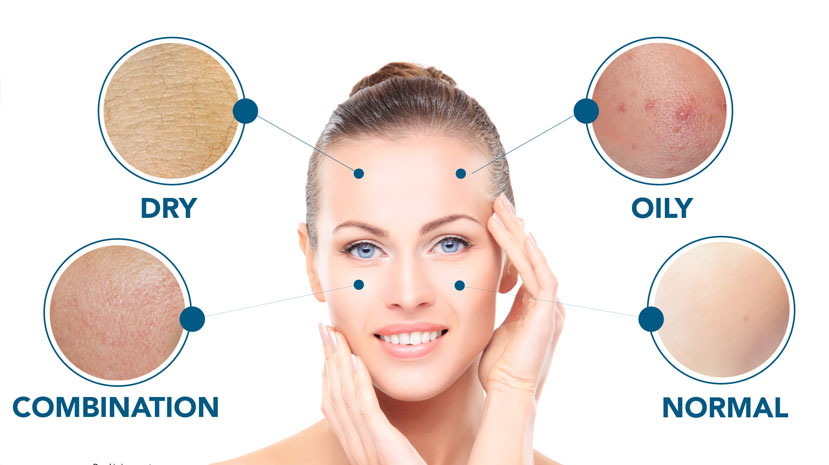
First, before considering any labels, you have to consider where your skin falls within the various common skin types.
Oily skin: You should notice a shine occurring very soon after cleansing and a visibly large pores which often cause breakouts and blackheads, especially within your T- zone (forehead, nose and chin areas).
Dry skin: This will feel stretched, scratchy, or in many cases, flakey. It can appear quite dull and especially not feel pleasant when conditions are cold or dry outside.
Combination skin: Typically your T- zone will be oily however, the rest of your skin (cheeks, chin and jawline) should appear neither dry nor oily.
Normal skin: Neither oily nor dry, a fairly normal sort of skin which has fewer difficulties, perhaps not reacting to many treatments.
Sensitive skin: Usually stings quite easily and reacts, as the skin appears flushed, red and irritated even with lightly active or scented cleansers.
If you are not entirely sure as to what you possess, a very simple test can be carried out: wash your face with an appropriate gentle pat dried. Once this is done leave it to rest, untouched and unclothed for thirty to sixty minutes, and carefully examine your face in the mirror.
All-over shine means a tendency towards oily.
Tightness or flakes show tendencies toward Dry skin.
Only a shiny T-zone with the rest of the face remaining neither dry nor oily suggests Combination skin.
Neither oily nor dry in appearance would signify
Normal skin.
Irritated red skin showing signs of pain, sting or even burns mean a sensitive type of skin which could fall in any skin type.
2. Try and match the cleanser texture with your skin type.
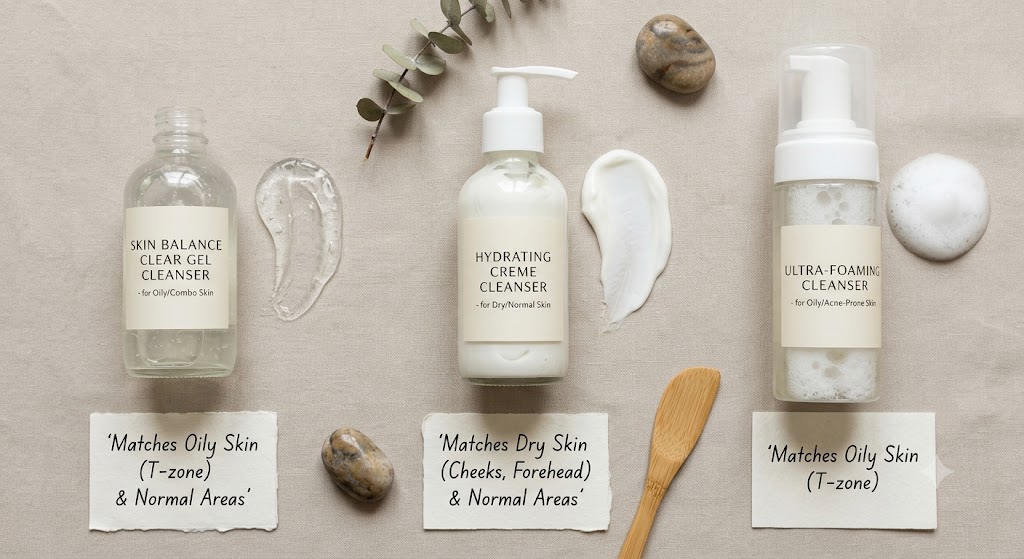
It is also an easy shortcut to finding the product which is right. Generally dermatologists suggest these approaches;
Oily or acne-prone skin: use gel or foam cleansers, which tend to help cut through oily or greasy residue and should have ingredients that prevent breakouts (e.g.Salicylic acid or niacinamide).
Dry skin: use cream, milk, or balm cleansers. The oily aspect helps to ensure that excess grease doesn’t get ripped off the skin and that moisture stays locked in. It should include ingredients that are similar to moisturizers such as fatty acids and Ceramides, and use products that do not contain high amounts of foam in them.
Combination skin: low foam gel cleansers work well, and take away excessive oil on the T- zone, but cannot leave parts of the skin dry or flaky.
A sensitive face’s most typical preference will be non-greasy light gel cleanser.
Normal skin : A pH-balanced formula for would probably serve quite nicely also.
Sensitive skin: fragrance-free or soap-free very mild cleanser (soap could actually strip essential natural oils from this Ingredients that make the soothing to this type skin, such as glycerin or Panthenol will help the to feel much more relaxed.
A formula with a few more natural ingredients should also work well as long as it does not include too much alcohol or soap in its formulation. Avoid any cleanse that makes the skin feel ‘squeaky clean’ as this signifies that most of your natural moisture has been removed and has gone unreplaced.
3. Check The Ingredient List, Not Just The Marketing
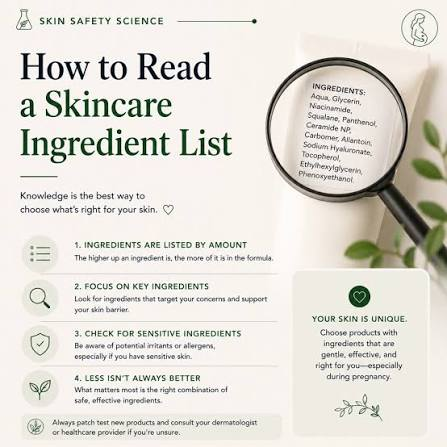
You’ll see words like “detox,” “pure,” and “clinical” advertised on cleansing packaging. While they might be eye-catching, your skin really only cares about ingredients.
When reading ingredient labels:
Look for a pH of 5-5.5; it supports your acid mantle. Avoid highly alkaline soaps which can disrupt the barrier of your skin.
Favor ingredients which strengthen the barrier; this includes ceramides, hyaluronic acid, glycerin, and niacinamide.
If you have oily, acne-prone skin favor containing salicylic acid (BHA); this will help clear pores and clear blockages.
If you have inflamed skin, niacinamide is the one.
you have dry, sensitive skin, avoid cleansers which contain high amounts of alcohol, or perfumes. Steer clear of sulfate cleansers, such as sodium lauryl sulfate (SLS), high up on the ingredient list.
You may want to check whether the cleanser in question has added fragrances, as this can cause adverse reactions. Some brands say they’re “unscented”, however the sent is still there to masked by fragrances.
Do not place too much faith in marketing terms such as “hypoallergenic” and “dermatologist tested.” Ultimately, it is the ingredients listed which determine whether the cleanser works for you and this is based on your personal Skin.
4. Use Correct Cleansing technique
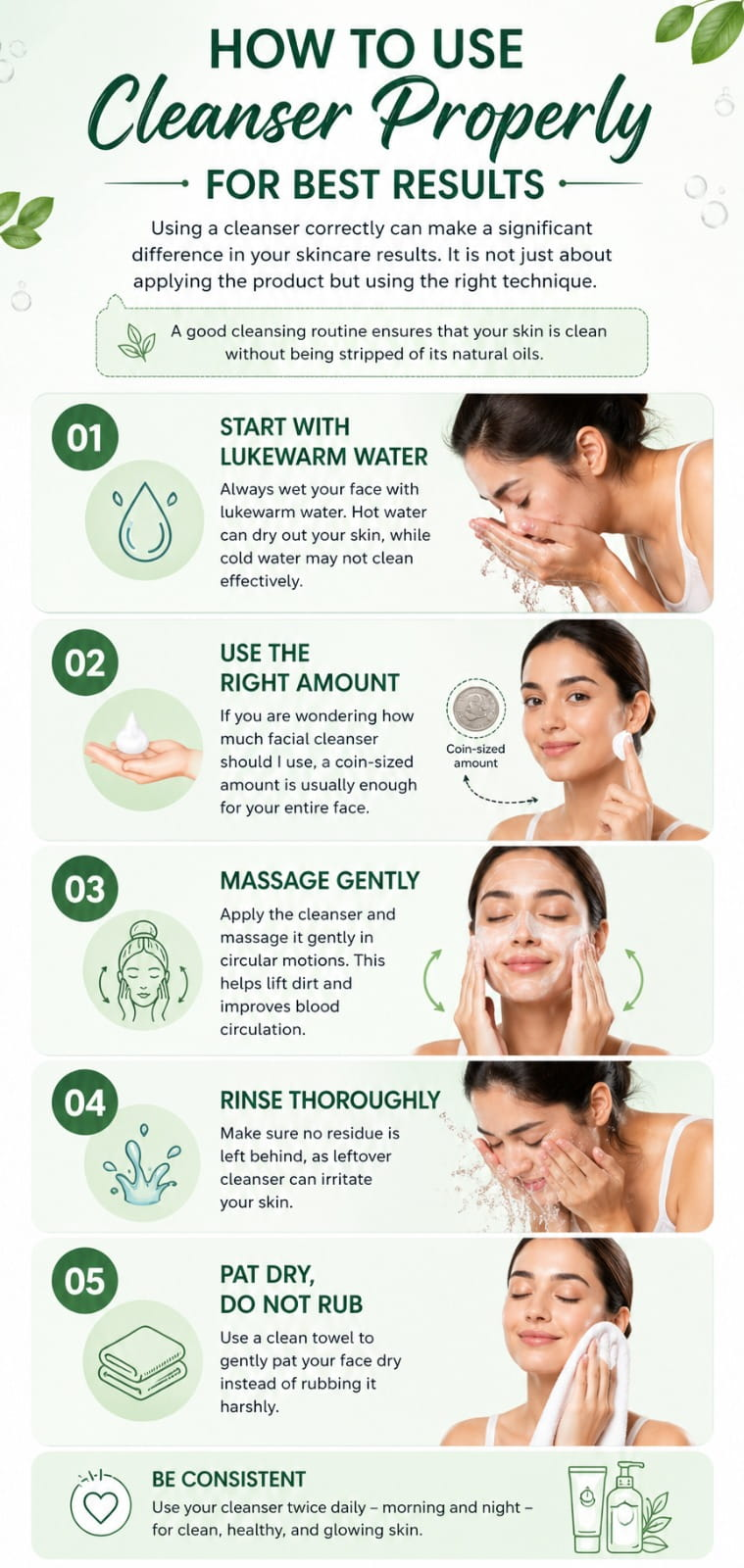
How you cleanse is just as important as what you use. The basic steps which Dermatologists often recommend:
Wet your Skin in lukewarm water (avoid hot water as this will increase dryness and sensitivity).
Apply an appropriate amount of cleanser to damp skin.
Massage into your Skin gently for 30-60 seconds; be sure to focus on any oilier or congested areas of the Skin such as the chin, forehead, and nose.
Rinse your Skin completely; then pat your face dry using a clean towel.
Follow up immediately with a toner, serum, and moisturizer to lock in the moisture.
If you regularly use sunscreen and/or wear heavy makeup, the process of double cleansing may be suitable for you, and can be carried out at night prior to your normal cleansing routine. Use an oil based cleanser first, to break down makeup and sunscreen. Then follow with your gentle regular cleanser.
How to get glowing skin:

The ultimate guide. There isn’t one miracle product to give you glowing skin. Glowing skin, or an illumination that appears to come from within your complexion, is the result of a diligent routine, savvy product choices and healthy life habits. You may have noticed that glow can sometimes be a side effect of skin behaving optimally – of functioning as a hydrated skin barrier that delivers and retains nourishment and allows good circulation and efficient cell turnover.
Build a simple, sustainable skincare routine
Dermatologists commonly whittle effective skincare down to 3 steps; clean, treat and moisturize, with the addition of daily sun protection.
Cleanse- Cleanse with a mild, non-stripping cleanser AM and PM. This will wash away dirt, oil and pollution without over-stripping your skin barrier.
Treat- Now introduce products containing an active that helps address concerns such as brightening or evening skin tone; use at AM: use vitamin C for illumination or a mild chemical exfoliator like an AHA (glycolic or lactic acid) at PM a few times a week. Use a treatment to assist skin turn over and collagen stimulation and for long-term anti-aging effects: use at PM: use a retinol or retinoid for cell turn over and collagen production. Use at PM for the refinement of the T zone/pores: niacinamide can minimise oil and reduce pore appearance.
Moisturise– Whatever your skin type, it needs to be moisturized: oily complexions will benefit from and lighter formulas such as gels or lighter lotions; drier skin should opt for richer creams.
Sunscreens- At all times, SPF 30+ is a must-with at least UVA protection. Sunscreens prevent dark spots, a duller complexion and fine lines and aging skin. Consistency is far more important than having a 10-step regimen you may abandon halfway through- stick with a straightforward process.
Exfoliate smartly.
Dull skin is often caused by dead skin cell accumulation; reveal the fresh, more luminous skin that lies beneath with gentle exfoliation. Use a BHA 2–3 times weekly for combination or oily, acne-prone skin, as the formulation penetrates the pore and unblock congestion. Use an AHA 1–3 times weekly for dry and normal complexions to smooth texture and boost luminosity. Signs you are over-exfoliating: your skin feels perpetually hot, stings and seems generally more sensitive, or it may take on a shiny yet irritated appearance; decrease frequency and be sure to slow down with AHAs if you are already using retinoids.
Look after your skin from within.
Even with fantastic products, your life habits will affect the look of your skin, and that is what will lead you toward truly glowing skin.
Hydration: You won’t glow if you are dehydrated (making your skin flat, dull, and even creased), so drink plenty of fluids (ideally, you want to look at the color of your urine, and if it appears pale yellow, you’re good).
Sleep: Not enough sleep makes you more tired, meaning more inflammation can occur, further dulling your skin.
Diet: A diet rich in fruits, vegetables, essential fatty acids (like those found in fish), and protein will also greatly help the quality of your skin. Avoid eating too many sweets or highly processed food that can cause and promote inflammation and breakout.
Stress Relief- Persistent stress affects hormones; the increased stress response causes more oiliness on your skin and sometimes breakouts. It may help reduce inflammation if you take part in activities such as a walk or have some simple meditation time every day.
Skip smoking/drinking
Both deplete and age skin and remove beneficial nutrients that may aid glow.
Be patient and realistic.
Most cases take between four and twelve weeks of careful application to demonstrate obvious luminosity, but it may be increased if actives such as vitamin C and retinoid treatments are being used. Take photos, one per week if possible, under controlled, static lighting condition and do not analyze it closely day by day. Your doctor should prescribe more intensive treatments if the same dullness or dark spots persist.
How to choose a skincare routine for Combination skin.
The challenge with combination skin is the differing requirements: controlling the oil and excess sebum on the T zone, and replenishing lost moisture and giving back skin function to the drier areas, typically cheeks, but even potentially the forehead and hairline too. The focus needs to be balance not strip.
Dry cheeks, forehead or even jawline will be dull, feel tight, tight, dry, or have a flaky and dry appearance. Some Combination skin can also include some breakouts on oily areas while the rest is calm.
Toner: Choose an alcohol-free hydrative toner; Apply on the T zone alone a tonner with less alcohol or more purifying properties depending on your needs, while use a more moisturizing toner all over, but it could also be suffice with one single appropriate type.; Moisturiser: Apply a lighter formula like water gel based or oil-free moisturizer with skin-balancing actives like a mix of humectants, e.g., hyalurnic acid, orglycerin.; On those dry zones, dab the excess if necessary or add slightly more concentrated treatment. The sunscreen will be added right at the end of this regimen and will be ideallySPF30+ Broad Spectrum- choose non-comedogenic products and sunscreens suitable for every type of skin.
3. Night Routine for Combination Skin
You can be a bit more treatment focused at night if you’ve worn make-up and or SPF;
First cleanse (if worn)
Start with an oil based cleanser or micellar water to break down make-up, SPF and sebum.
Second cleanse
Follow this with your gentler gel or cream cleanser to remove all residue without stripping the skin.
3. Exfoliant (2-3 times a week)
Use a BHA (salicylic acid) on your T-zone mainly to control oil and pore congestion. Use it elsewhere (cheeks especially if particularly dry or sensitive) far less often or on different nights. A much gentler AHA can be substituted.
4. Treatment serum
Again, niacinamide is your good all-rounder here. O If you’re using a retinoid for glow and or anti-aging purposes, use this at night and build up gradually 2-3 times a week as tolerated.
5. Moisturizer
Use a general light moisturiser, with extra in fact or a slightly richer moisturiser in your dry areas of the cheeks, rather than going all out and overcomplicating the entire face.
4. Ingredients and products to favor
When looking for products to use in a combo routine for combination skin the following ingredients are beneficial:
Cleansers: pH balanced gentle water based or micellar cleansers. Avoid harsh sulfates and high alcohol concentrations (e.g. The ‘foamy’ cleaners)..
Toners: use a nice hydrating alcohol-free toner with glycerin or hyaluronic acid/niacinamide. Serums: niacinamide and salicylic acid are particularly good here, (although consider AHAs elsewhere too) eventually you can start using a retinoid at night too.
Moisturizers:Lightweight, non-comedogenic, oil-free or gel-based formulas with ceramides and humectants.
Sunscreens: use ones that are not greasy and feel relatively light on the skin, like lotions or fluids, rather than creams.SPF 30+ minimum!
5. Use with the seasons/changes

Your combination skin might change with the weather, hormones and or stress levels. You might use products for summer and swap to different products in dry winters where cheeks need richer formulas.
Should I Do Skincare in the morning or night?
The short answer: Do both! But for slightly different purposes. Skincare in the morning aims for protection; nighttime skincare is about repair and treatment.
Why Morning Skincare is Crucial
Your skin faces environmental stressors during the day: UV rays, pollution, heat, and makeup. A morning routine helps:
Remove overnight oil and sweat so your skin starts the day fresh.
- Hydrate and balance your skin so it’s comfortable under makeup or sunscreen.
- Protect with antioxidants (like vitamin C) and, most importantly, sunscreen.
A basic morning routine can be very short.
Gentle cleanse (or water-only if your skin isn’t oily).
1. Light serum (optional, e.g., vitamin C or niacinamide).
2. Moisturizer suited to your skin type.
3. Broad-spectrum SPF 30+.
If you do nothing else, cleanser + moisturizer + sunscreen in the morning is a strong minimum.
Why Nighttime Skincare is equally essential
At night, your skin shifts into repair mode. There’s no UV exposure, so you can use more active ingredients without worrying about sun sensitivity in the moment (though you still need sunscreen the next day.
Night routines are ideal for:
- Deep cleansing, including double cleansing if you wear makeup or heavy sunscreen.
- Exfoliation with AHAs/BHAs a few times a week.
- Retinoids or retinol to boost cell turnover, fade spots, and improve texture over time.
- Richer moisturization if your skin tends to get dry overnight.
A typical night routine might include.
Oil-based cleanser or micellar water (if needed).
1. Gentle cleanser.
2. Treatment products (exfoliant, retinoid, targeted serums).
3. Moisturizer, potentially a bit richer than your morning one.
Putting It All Together
Choosing a good cleanser. Check to see what your skin type is (oily, dry, sensitive, combo, normal) and how the product has been marketed, then consider ingredients you might want to use and avoid to address your skin type and concerns. PH balanced and gentle is usually key.
To achieve skin glow
Develop a complete cleanse-treat-moisturize-protect routine. Incorporate active treatments such as Vitamin C, AHAs and/or retinol. Nourish your skin and promote cell regeneration by supplementing topical care with other forms of self-care and wellness such as sleep, exercise, healthy food and stress management. Be patient; see what happens as your skin adjusts.
Combination Skin
Skin is oily at T-zone and normal/dry at other parts. It will benefit from products that are lightweight and balancing. If you feel that your T zone looks more oilier, using lighter product to moisturise will balance that out without clogging up pores, use richer cream on the cheeks where skin is drier and more moisturising might need. Light hydration during morning cleanse with intensive treatments at night for evening care will work wonders for combo skin.
And for timing
At every time you can but morning is for protecting while the night is for skin rejuvenation. If you want to ask more, tell me your skin concerns and what kind of product you already own and so I can help you sketching a skincare regimen tailored for you.