

Learning how to treat dark spots without irritating your starts with choosing gentle skincare products and following a consistent routine. Dark spots can develop due to sun exposure, acne marks, and changes in skin pigmentation. However, using harsh products or too many active ingredients may cause irritation and make skin concerns worse. Therefore, it is important to choose suitable skincare ingredients, moisturize regularly, and use broad-spectrum sunscreen every day. In this guide, Natural Skin shares practical tips to help you care for your skin and achieve a more even-looking complexion. Getting rid of hyperpigmentation doesn’t have to mean skin that’s red, tingling or peeling.
Dark spot treatment starts with choosing gentle skincare products that help improve the appearance of uneven skin tone without irritating your skin. First, understand that dark spots may develop because of sun exposure, acne marks, or hormonal changes. In addition, using a suitable moisturizer and applying broad-spectrum sunscreen daily can help protect your skin. However, avoid harsh products and excessive exfoliation because they may cause irritation.
From knowing exactly how and when to use actives to managing sensitive skin with smart routines, this guide from dermatology professionals offers a clear breakdown of fading hyperpigmentation while protecting your skin, along with common Koreans-at-night time questions.
A Gentle Skincare Routine for Dark Spot Treatment
Before exploring how to treat dark spots without irritating it helps to understand their possible causes. Sun exposure, inflammation after acne, and hormonal changes can contribute to uneven skin tone. However, using harsh products may cause irritation and worsen some pigmentation concerns.
When choosing ingredients for dark spots, consider products containing niacinamide, vitamin C, or azelaic acid. These ingredients may help improve the appearance of uneven skin tone. However, everyone’s skin responds differently, so introduce new products gradually and follow their instructions.
A gentle routine can help you care for your skin while addressing dark spots. First, cleanse your face with a mild cleanser. Next, apply a suitable moisturizer. Finally, use broad-spectrum sunscreen with SPF 30 or higher every morning.
Additionally, avoid harsh scrubs and introducing several active ingredients at once. If a product causes persistent irritation, stop using it and seek advice from a qualified dermatologist.
Why Sunscreen Is Important for Dark Spots
Sun exposure can make existing dark spots more noticeable and contribute to new pigmentation. Therefore, apply broad-spectrum sunscreen daily and reapply it according to the product directions, especially when spending time outdoors.
Common Mistakes to Avoid When Treating Dark Spots
Using too many active ingredients, over-exfoliating, and skipping moisturizer may irritate your skin. Instead, keep your routine simple and allow new products time to show whether they suit your skin.
What Causes Dark Spots?
1. Understanding your dark spot
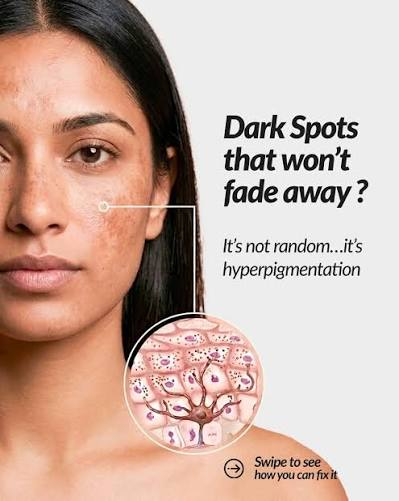
Dark spots are mostly commonly posted as inflammatory hyperpigmentation-PIH- which is when over-production of melanin results from inflammation,
Sunspots- solar lentigines- result from overexposure to sun while melasma is triggered by changes in hormones. .
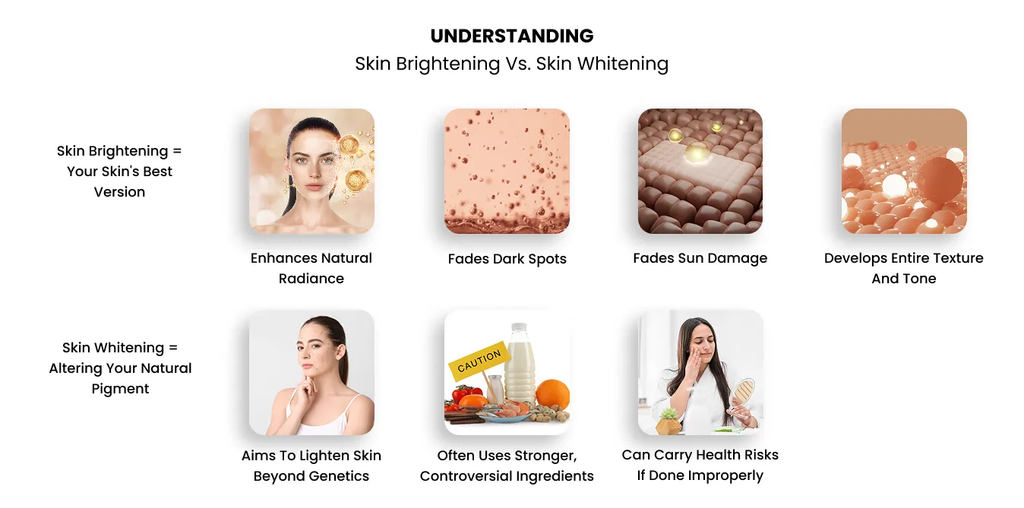
2. Identifying your favorite skin brightening agents
3. Creating an uncomplicated and well-tolerated skin regimen
For the most basic, yet well performing routine to help eradicate hyperpigmentation. One can include the followings as such:
Morning Time;
Sensitive- skin, pH balanced, and free of sulfates cleanser.
• Vitamin C or Tranexamic acid serum, or Niacinamide Serum for cell renewal, protection, brightning or calming and hydrating purposes.
Night Time;
Retinol or a form of mild acid (like AHA and BHA), Tranexamic acid or alpha arbutin treatment.
4. What Causes Dark Spots?
Explain common causes such as sun exposure, acne marks, and hormonal changes.
Best Ingredients for Dark Spot Treatment
Vitamin C for Brighter-Looking Skin
Explain how vitamin C may help improve the appearance of uneven skin tone.
Niacinamide for Uneven Skin Tone
Describe how niacinamide can support the skin barrier and improve the appearance of dark spots.
Retinol: How to Introduce It Carefully
Explain how to introduce retinol gradually to help reduce the risk of irritation.
How to dark spot treatment
Choose Gentle Skincare Products
Explain why gentle cleansers and moisturizers are useful for maintaining the skin barrier.
Introduce New Ingredients Slowly
Recommend adding one new product at a time and monitoring how your skin responds.
Apply Sunscreen Every Day
Explain why broad-spectrum sunscreen helps prevent existing dark spots from becoming darker.
Common Mistakes to Avoid
Discuss excessive exfoliation, combining too many active ingredients, and skipping sunscreen.
5. Korean inspired minimalistic night routine for optimal care

In relation to the above steps. It could simply work like this:
1 Oil – based + Water-based cleanser (Double Cleanse)
2 Moisturizing toner (1-2 Layers of thinnest to thickest products on your face)
3 Specific targeted skin concern serum (with peptides and antioxidants)
4 Nourishing/Rich night cream or Sleeping Mask
What Should I Use?
Here are the key active ingredients most frequently recommended for the appearance of minimized pores by derms and skin experts:
1. Niacinamide (4-10%) ‘The ultimate glow and barrier-boosting ingredients that help regulate the amount of sebum (oil) produced and control inflammation, helping the skin remain texture and pore smooth.’
2. Salicylic acid (BHA, 0.5-2%) Because this active is oil-soluble, it can penetrate the pore itself, breaking down and removing blockages or excess oil. (This is ideal for both acne-prone and oily skin types.)
3. Retinoids (Retinol, retinal, adapalene) ‘All derivatives of vitamin A that work to promote cell turnover, prevent the pore from becoming clogged, and stimulate collagen production to firm and tighten skin.’
4. Gentle AHAs (glycolic acid, lactic acid, PHA) ‘These help to exfoliate the outermost layer of the skin to help smooth texture and improve skin dullness – which can make pores appear to stand out more.’
5. Clay and charcoal (in masks or cleansers) ‘Great to absorb excess oil, and temporary refine the pores in the T-zone.’ (1-2 times a week).
Skincare routine for open pores.
Morning
1. Cleanser (use gel or foaming formula if oily; use a cream or milk cleanser if normal, dry, or sensitive)
2. Niacinamide serum (use 4-10%, and on slightly to totally wet skin)
3. Light and oil free/ non-comedogenic moisturiser ( gel or fluid for oily, light lotions for normal/combo)
4. SFP 30 + (sun damage breaks down collagen and can make pores look larger)
Evening
1. Cleanser (salicylic acid Cleanser can work great if you are extremely oily – otherwise use your gentle cleanser)
2. Treatment
2-3 days/ week – Salicylic acid toner or serum for those with oily/ congested skin ii 2-3 days/ week – Use a retinol product (0.025-0.05% retinol or 0.1% adapalene) iii use only niacinamide or a simple hydrating serum other days
3. Moisturiser
When learning how to treat dark without irritating your skin, start by choosing gentle products that suit your type. Avoid harsh scrubs and introduce new skincare ingredients gradually. This approach can help reduce the risk of irritation while supporting a consistent skincare routine.
3. Follow a Consistent Skincare Routine
Consistency matters when considering how to treat dark spots without irritating . First, cleanse your face with a gentle cleanser. Next, apply a suitable moisturizer. Finally, use broad-spectrum sunscreen with SPF 30 or higher during the day. Additionally, follow product instructions and avoid over-exfoliation.
4. Protect Your Skin from Sun Exposure
Daily sun protection is essential when understanding how to treat dark spots without irritating Sun exposure can make pigmentation more noticeable. Therefore, apply broad-spectrum sunscreen every day and reapply it according to the product directions, particularly when spending time outdoors.
Where to Buy Anti-aging serum with proven results Where to Buy.
When it comes to anti-aging serums, “proven results” usually means formulas backed by clinical data, dermatologist testing, or well-established ingredients like retinoids, vitamin C, peptides, and niacinamide.
1. What Counts as “Proven”?
Look for serums that:
Are formulated by dermatologist-developed brands or companies that publish study results.
Ingredients with strong evidence for anti-aging and brightening include:
Retinoids (retinol, retinal, prescription tretinoin/adapalene)
Vitamin C (L-ascorbic acid, stabilized derivatives)
Niacinamide
● Peptides (signal peptides, copper peptides)
● Tranexamic acid, alpha arbutin for pigmentation-related aging signs.
2. Reputable Places to Buy Anti-Aging Serums
You want retailers that stock authentic products, have good storage practices, and offer reliable customer service. Common trustworthy options include:
● Dermatology clinics and medical spas
○ Often carry professional-grade or prescription options.
○ You can get personalized advice on what suits your skin type and concerns.
● Established pharmacy and drugstore chains
○ In many countries, large pharmacy chains stock dermatologist-recommended brands (e.g., CeraVe, La Roche-Posay, Vichy, Eucerin, Neutrogena, some The Ordinary products).
○ Good for accessible, budget-friendly, evidence-based options.
● Reputable online beauty retailers
○ Examples include well-known, established e-commerce platforms specializing in skincare and cosmetics, official brand websites, and authorized distributors.
○ Always check that you’re on the official site or an authorized seller to avoid counterfeits.
● Department stores and premium beauty retailers
○ Often carry higher-end serums from brands with in-house research and clinical testing.
When buying online, verify:
The site is the official brand domain or a known, trusted retailer.
● Product descriptions list full ingredient lists and concentrations where possible.
● There are clear return policies and customer support channels.
3. How to Choose the Right Anti-Aging Serum for You

Match the serum to your main concern:
Fine lines and wrinkles: Retinoid-based serums or peptide-focused formulas.
Dullness and uneven tone: Vitamin C, niacinamide, tranexamic acid, or alpha arbutin.
● Loss of firmness: Peptides, retinoids, and well-formulated antioxidant blends.
● Sensitive skin: Start with lower-strength retinoids, niacinamide, or gentle vitamin C derivatives; avoid heavily fragranced products.
Putting It All Together
To treat dark spots without irritation:
● Focus on gentle, proven ingredients like azelaic acid, tranexamic acid, niacinamide, alpha arbutin, and carefully introduced retinoids.
● Build a simple routine with consistent sunscreen and barrier-supporting moisturizers.
For Korean-inspired night care:
● Emphasize double cleansing, layered hydration (toner, essence, serum), targeted actives, and a sealing moisturizer or sleeping mask.
For open pores:
● Use niacinamide, salicylic acid, retinoids, and gentle exfoliants in a structured routine, avoiding harsh scrubs and over-drying products.
For anti-aging serums:
● Buy from dermatology clinics, reputable pharmacies, official brand sites, and trusted beauty retailers, prioritizing formulas with clinically supported ingredients and transparent labelling.